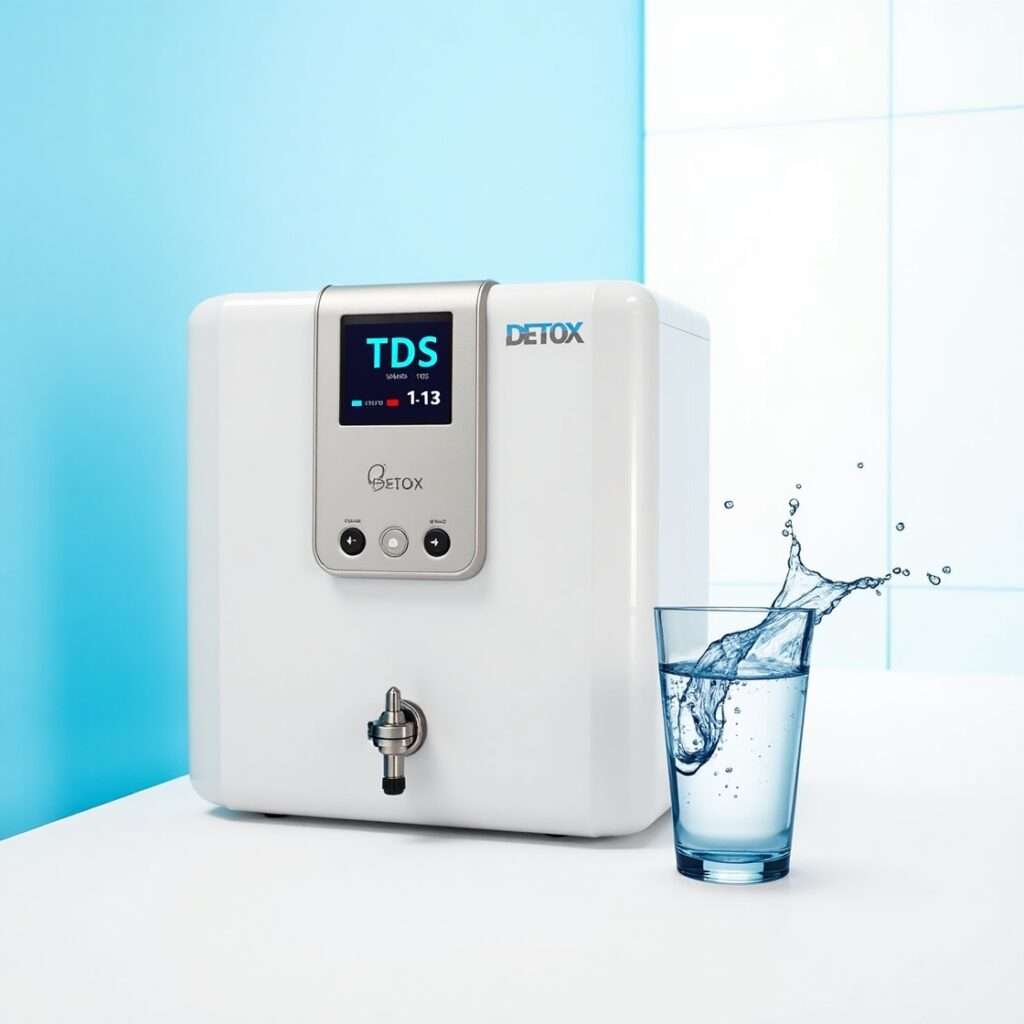
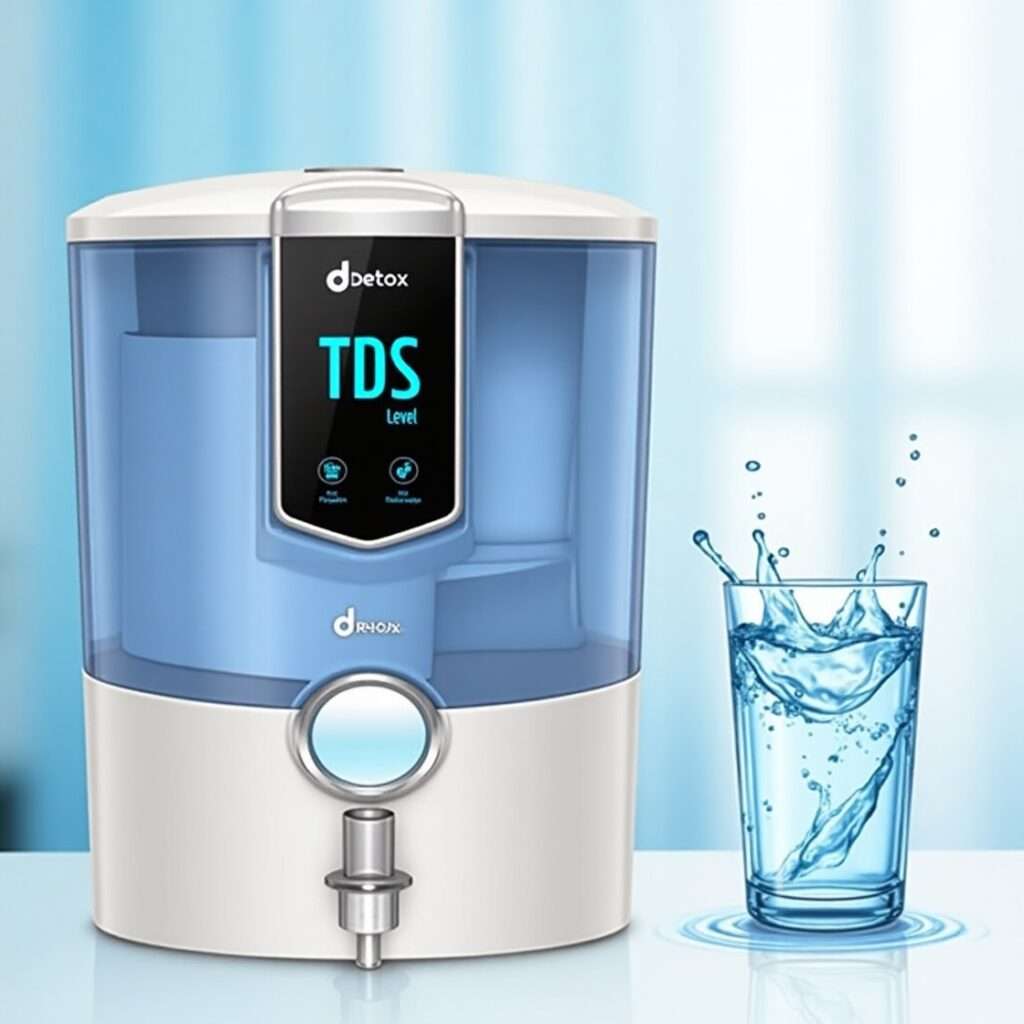
Detox RO Water purifier TDS level
Introduction
The Essential Clean, safe drinking water is not just a luxury—it’s a necessity for healthy living. As water quality in many regions of India can vary significantly, having an advanced purification system like the Detox RO (Reverse Osmosis) water purifier is becoming increasingly essential. Yet, ensuring your Detox RO system consistently provides the purest water requires understanding two crucial aspects: regular maintenance and the management of Total Dissolved Solids (TDS). This comprehensive guide covers all you need to know about Detox RO water purifier repair, service, and the pivotal role TDS plays in maintaining water quality.
What is TDS and Why Does it Matter?
TDS (Total Dissolved Solids) are the combined content of all inorganic and organic substances contained in a liquid—in this case, your drinking water. TDS is measured in parts per million (ppm), and it primarily includes minerals, salts, metals, cations, and anions.
The importance of TDS in water purifiers:
Taste and Smell:
High TDS can make your water taste salty, bitter, or metallic, and sometimes cause an unpleasant odor.
Health: While our bodies require minerals, excessive or very low TDS can be harmful. High TDS means more contaminants, while water with very low TDS may lack essential minerals.
Appliance Longevity: High TDS levels can cause scaling and reduce the life of both your RO system and household appliances.
Water Safety: A correct TDS balance ensures the removal of harmful substances without stripping away beneficial minerals.
1.Ideal TDS Ranges for Drinking Water:
| TDS Range (ppm) | Water Quality |
| 50-150 | Excellent |
| 150-250 | Good |
| 250-300 | Fair |
| 300-500 | Unsafe |
| above 1200 | Unacceptable |
The World Health Organization recommends a TDS of up to 300ppm for safe drinking water.
The Role of RO Water Purification in TDS Management.
How does a Detox RO system work?
Reverse Osmosis Process: Water is forced through a semi-permeable membrane under pressure. This membrane allows water molecules to pass but blocks dissolved solids, heavy metals, and contaminants.
TDS Reduction: The process efficiently lowers the TDS to safe drinking levels, ensuring harmful substances like arsenic, lead, fluoride, etc., are removed.
TDS Modulator: Modern RO purifiers, including Detox systems, often include a TDS modulator. This mechanism “remixes” essential minerals into purified water, achieving the perfect balance for taste and health.
Signs Your Detox RO Water Purifier Needs Repair or Service
Just like any appliance, your Detox RO system may show signs when maintenance or repair is necessary:
*Reduced water flow or no water from the outlet.
*A sudden change in taste, odor, or water appearance.
*Leaking water from the unit or connections.
*Unusual noises from the purifier.
*Regular filter-change alerts or indicator lights.
*TDS meter readings are out of the safe range.
Common Detox RO Water Purifier Problems & DIY Troubleshooting Tips
Many issues with RO purifiers can be fixed with basic troubleshooting:
Low Water Flow: Could be caused by clogged filters or a blocked RO membrane. Replace filters and membranes as per schedule.
Leaking: Usually the result of loose fittings. Tighten all connections and hoses; replace damaged pipes.
Bad Taste/Odor: Indicates overdue filter changes or a fouled RO membrane. Replace filters and clean the storage tank.
Noisy Operation: Inspect the RO pump; it may need lubrication or replacement.
High or Low TDS Readings: Calibrate or replace the TDS modulator; check the membrane’s effectiveness.
Tip: Always check the water supply to ensure adequate pressure before troubleshooting the machine.
2.Step-by-Step: How to Maintain Your Detox RO Water Purifier
Regular servicing ensures your Detox RO functions optimally, safeguards your health, and prolongs the appliance’s life. Here’s a comprehensive maintenance checklist:
Clean and Replace Filters Regularly
Pre-filter and Sediment Filter: Change every 6–12 months or as specified.
Carbon Filter: Replace as recommended; it removes chlorine and organic impurities.
RO Membrane: Clean or replace every 1–2 years, depending on TDS levels and water usage.
Post-filter/Polishing Filter: Change annually for best taste.
Storage Tank Maintenance
Sanitize the tank at least once a year to avoid bacterial growth. Use a mild disinfectant and thoroughly rinse before use.
Drain the tank periodically, especially before vacations, to prevent stale water.
Regular Leak and Fitting Checks
Inspect all connectors, joints, and pipes** for leaks or dampness.
Replace any parts showing signs of wear or cracking.
3.TDS Monitoring & Adjustment:
Test your water with a TDS meter** monthly.
Adjust TDS settings using the TDS controller or modulator if the output is not within the safe range.
Professional Annual Servicing
Annual technician visit: A professional can deep-clean, assess component wear, replace necessary parts, and recalibrate the system for top performance.
When to Call a Professional for Detox RO Repair
Certain repairs and diagnostics should be handled by experts:
Electrical malfunction or power issues.
Persistent leaks after basic troubleshooting.
Faulty pump or motor.
Replacement of complex internal parts.
Improper TDS adjustment even after modulator replacement.
Leading service providers offer prompt, reliable, and affordable repair solutions, including component replacement with genuine parts, performance optimization, and post-repair support.
4.The Role of TDS Modulators: Balancing Purity and Taste:
TDS modulator is an integral part of modern RO water purifiers. Its roles include:
Regulating TDS levels: Ensures that purified water is within the optimal wellness range (usually 50-300ppm).
Restoring Taste: Re-adds essential minerals, improving taste and nutritional value.
Automatic adjustment: Provides healthy, palatable water every time, with little need for manual intervention.
Tips for Maximizing Your Detox RO Water Purifier’s Lifespan.
Follow the user manual for specific maintenance protocols for your Detox model.
Use water within the recommended TDS input range to prevent premature membrane wear.
Never ignore filter-change alerts or scheduled maintenance needs.
Keep the purifier unit clean and away from direct sunlight to avoid microbial growth in the tank.
Ensure the inlet water is not excessively hard (>1,000ppm TDS) – use a pre-softener or consult your technician.
5.Frequently Asked Questions:
1.Can I service my Detox RO water purifier myself?
For basic cleaning and filter changes, yes. However, for electrical, TDS, or complex mechanical issues, call a professional.
2.What happens if I ignore TDS levels?
Prolonged consumption of unbalanced (too high/low) TDS water can affect health, taste, and appliance function.
3.How do I measure TDS in my water?
Use a digital TDS meter; simply dip the probe in water and read the value.
4.How often must the RO membrane be replaced?
Typically every 1–2 years, but high TDS source water may require more frequent changes. Regular testing helps determine the right interval.
Conclusion
A Detox RO water purifier, when maintained correctly and calibrated for optimal TDS, becomes your most reliable line of defense against waterborne contaminants and health hazards. Understanding TDS is central to managing the taste, safety, and quality of your drinking water.
**Prioritize regular service, periodic TDS checks, and prompt repair to enjoy fresh, healthy water every day.
** If your Detox RO system reveals signs of trouble or TDS levels drift from ideal ranges, don’t hesitate to contact a certified service professional to reinstate pure, balanced hydration for your family.